"Memory Tips" Newsletter Archive
Past issues of the Memory Tips email newsletter. Each issue covers one practical memory technique you can put to use right away, with links to the deeper explanations on the site. If you're not yet a subscriber, you can sign up here.
The newsletter relaunched in April 2026 after a multi-year pause to rebuild the website. Issues below are listed in reverse chronological order, newest first.
2026 Issues
Memorize Any List with the Link Method
August 12, 2026 • The link method
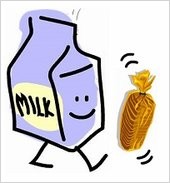
In a famous 1969 experiment, people who wove word lists into little stories recalled 93 out of 100 words. Those who studied normally recalled 13. The link method puts that effect to work: turn each list item into a vivid picture, then chain each picture to the next. This issue teaches the method with a three-item grocery list, plus three rules for links that stick.

Make a Picture to Remember Anything
June 10, 2026 • Visualization
Some words and facts just won't stick. The fix is to turn them into a vivid, slightly absurd mental picture, where each part of the image stands for something. A bowl of rice with a rose growing out of it is how I remember arroz, the Spanish word for rice. This issue covers how to build these images, what to do if you can't picture things in your head, and why reviewing them over time is the step most people skip.
Spaced Repetition: The Partner to Active Recall
May 13, 2026 • Spaced repetition
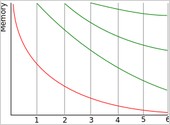
Active recall makes information stick, but only for so long. Without review, even well-learned material fades within days. Spaced repetition closes this gap by scheduling reviews at increasing intervals, flattening Ebbinghaus's forgetting curve until the material moves into long-term memory. The two techniques together are the closest thing memory research has to a formula for durable learning.

Stop Rereading. Try Recalling Instead.
April 30, 2026 • Active recall
Most of us learn by reading something twice or three times, hoping it'll stick. It rarely does. The reason: rereading creates an illusion of competence, while active recall (closing the book and trying to retrieve from memory) is one of the most replicated findings in memory research for producing real, durable learning.